Swapping writing for a rifle
We can learn a lot by doing things we know little to nothing about.

"To succeed in life, you need two things: ignorance and confidence."
— Mark Twain
You don’t have to know much about something to do it, or to even do it well. In fact, sometimes the less you know the better.
After years of my dad talking about “getting me out there,” I picked up a rifle at the age of 37 and headed for the woods. I had always been around hunters — first my dad and grandpa, and later my husband — but I never had much interest in it. Perhaps it was the thought of cold mornings hunched in a blind or some treetop perch, waiting and watching for something that may never come when there was perfectly good meat sitting in my freezer.
It wasn’t that it seemed hard. What was there to know? Camouflage yourself, wear an orange hat or vest, be quiet, aim and shoot at your target.
With little knowledge of hunting or marksmanship, I shot a deer at the first opportunity.
It turns out there’s only one way to kill a deer, but many ways to fuck it up.
We humans often have a tendency to want to learn all there is to know about a subject or task before undertaking it. This is natural — a desire to not waste our time, to control the output of our efforts, to build confidence.
But what if this is counterintuitive? What if it can actually cause us to overthink and perform worse?
Trapped in the confines of how things are usually done, we plough ahead with what our training and teaching tells us is the most obvious and proven path. But instead of being freed by our knowledge, we end up being tied down by it.
This can apply to any person and to many different professions and hobbies.
For me, this is writing.
On each of my wrists are tattooed four words — on the left, I live to write, on the right, I write to live.
But this constant reminder and my years of education, training and experience don’t help me when it comes time to sit down and write. It’s not that I don’t know enough about or haven’t read enough good writing or writers. It’s not that I don’t know all the writing rules – the grammar and punctuation and stylistic canon, if you will.
It’s perhaps that I know too much, including the fact that there’s an endless number of ways in which any piece of writing can be configured, along with an endless array of preferences.
Is this any good? Will my audience like this? What will they like and respond to? Should I have used that word? These are just some of the thoughts — the gatekeepers — to my being able to sit down and spit out something that feels worth anything at all.
Regaining the American pioneer spirit

How Project Appleseed is working to rebuild the values of our forefathers one shot at a time.
Writing, like any endeavor, can be exhausting … and defeating.
That’s why sometimes it feels good to put down the pen and pick up something else, something new. Something I won’t overthink. That might build my confidence just a little.
Like a rifle.
When I pulled the trigger that fired the bullet that killed my first deer — and my second — I could have waited hoping a larger deer would follow, I could have taken the time to ensure a more stable resting spot for my barrel, I could have let the rapidly approaching darkness or my fear of a bad shot stop me from taking it. I could have thought about the wind or the long distance or how difficult it may be to find her in the dark. But I didn’t.
Afterall, I didn’t know what I didn’t know.
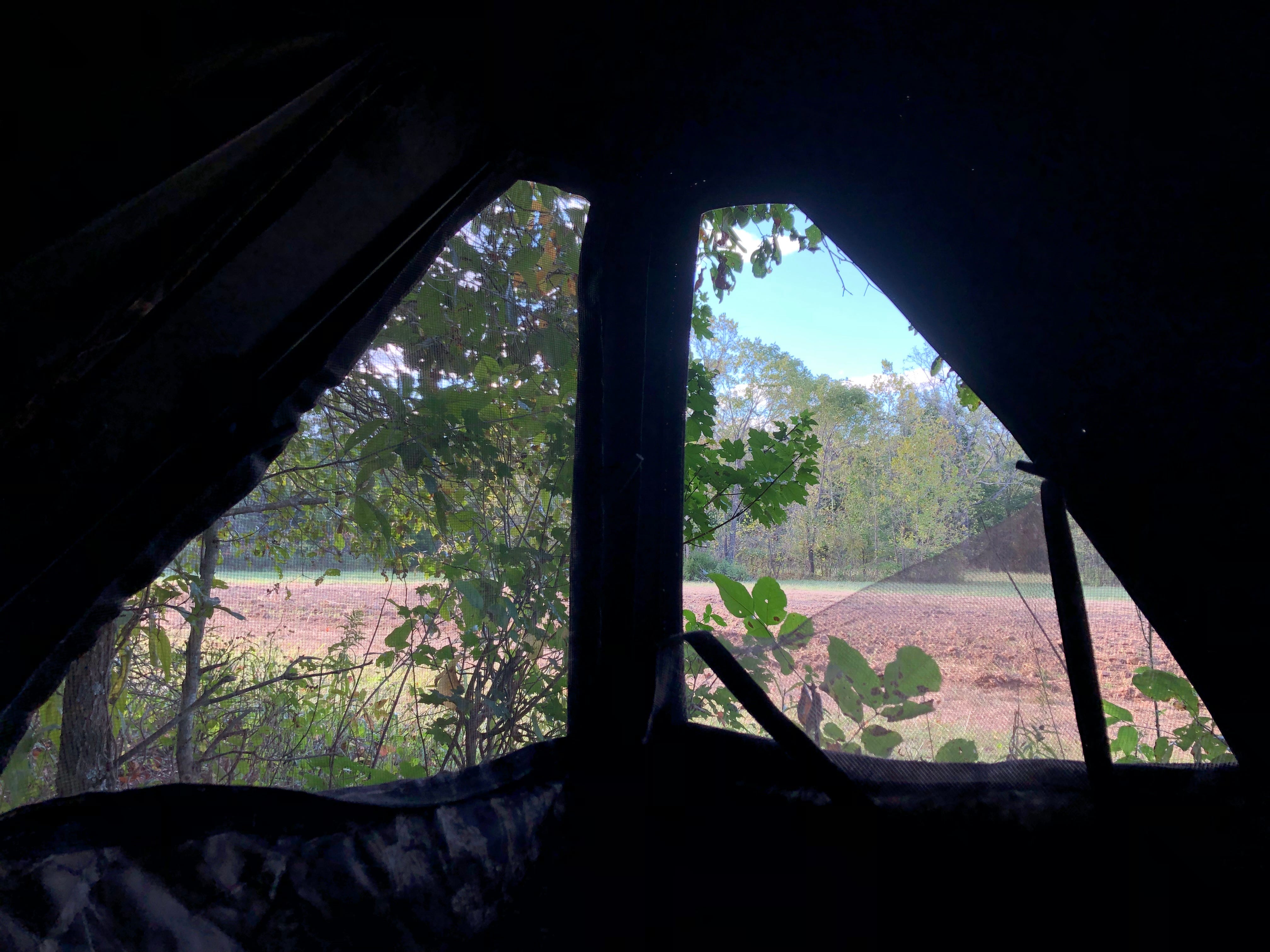
Having little knowledge of hunting, I, upon spotting the deer, pulled the gun to my shoulder, rested the barrel on the precarious intersection of two rods on the window of my hunting blind and the sight on the kill zone, took a deep breath and slowly pulled the trigger.
I didn’t think. I did what felt right, let my body take over, and hoped for the best.
If only writing were that easy.