

What potty training taught me about people's ability to change
In the first essay in our "I believe" series, I share how my daughter taught me to accept my lack of control.

“If you change the way you look at things, the things you look at change.”
—Wayne Dyer
When my husband and I embarked on potty training our first child — our daughter Josephine — we had no idea what we were getting into. Our naivete served us well at first, fueling our optimism. After all, she was the one who initiated.
It was amidst the pandemic lockdowns and forced mask wearing that in a small one-bathroom cabin in Copper Harbor, Michigan, Jo decided to exert her autonomy by going on the potty. And again. Then again immediately upon our return home.
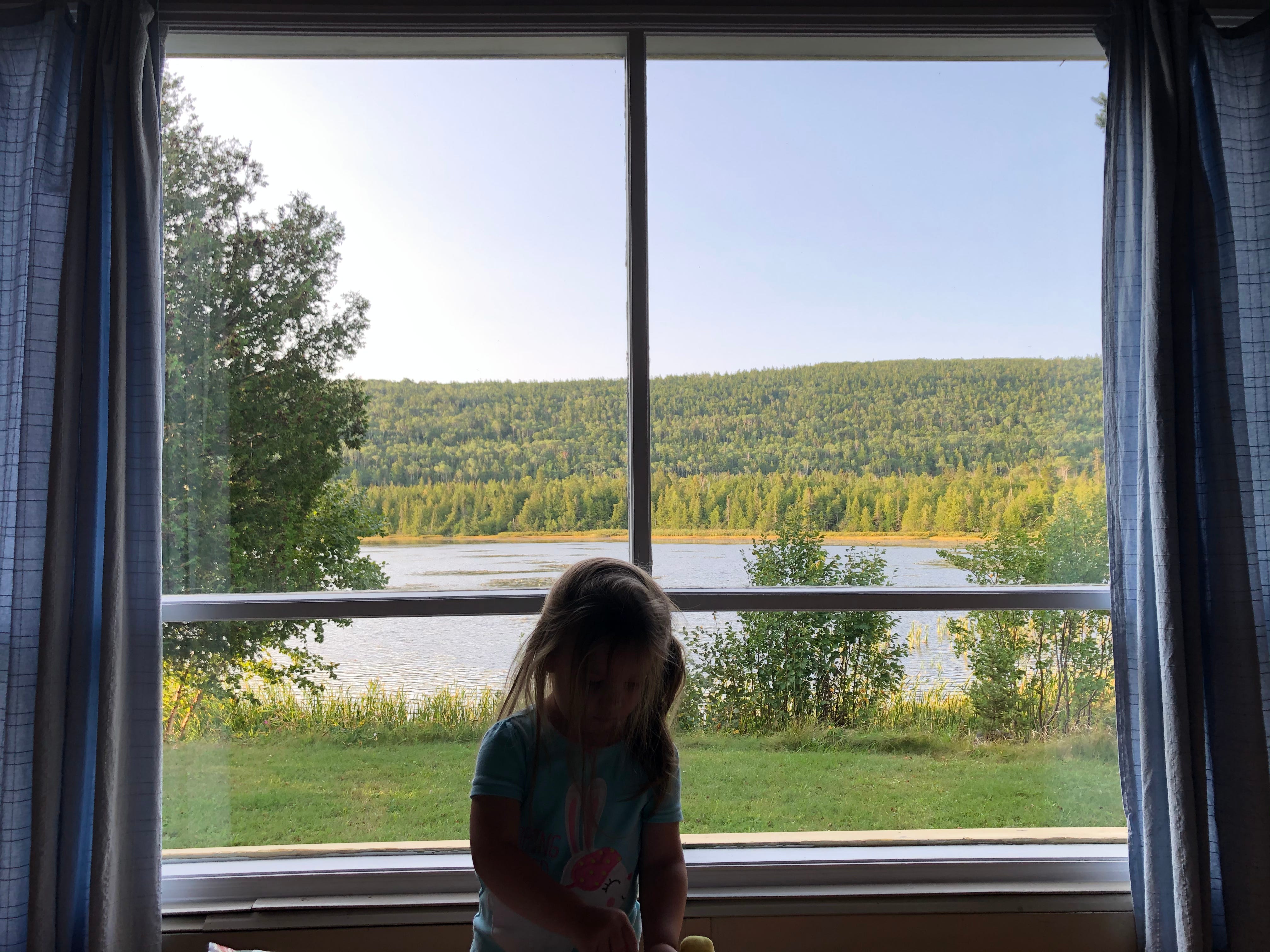
She’s ready, we proclaimed.
We dove in head first, bought all the prerequisite bathroom supplies and accessories — books, pull-ups, kid-sized toilet seats. We offered encouragement, rewards (Skittles and M&M’s), praise, took potty breaks at least every hour. But as time went on, as we pushed, poked and prodded — not to mention packed up our house to move — our encouragement turned to pleas and, eventually, punishment.
It only got worse once in our new house, also with a little brother on the way. We got frustrated, angry, raised our voices, then felt guilty, helpless, defeated. At this point, Jo nearly a 4-and-a-half-year-old who still pooped her pants. We took breaks and resigned ourselves to an indefinite future of pull-ups and butt wiping.
Then, one day that summer … she went to the bathroom … by herself. No poking or prodding or hand-holding or Skittles. She just decided — and that was it.
The rest, so they say, is history.
That is the thing about human nature that is both aggravating and empowering: You cannot force a person to do something they do not want to do. You can incentivize, praise, ridicule, deride, even threaten or, in the worst cases, physically harm them, but if they have not found the desire or will within themselves to commit to the thing being asked of them, they will not do it.
Are some people more willing to give in or others more stubborn? Of course. But, as with many things in life — and as I tell my kids all the time — we have no control over other people’s actions. Just as we have no control over the sun rising or the wind blowing or the traffic jam on our way to work.
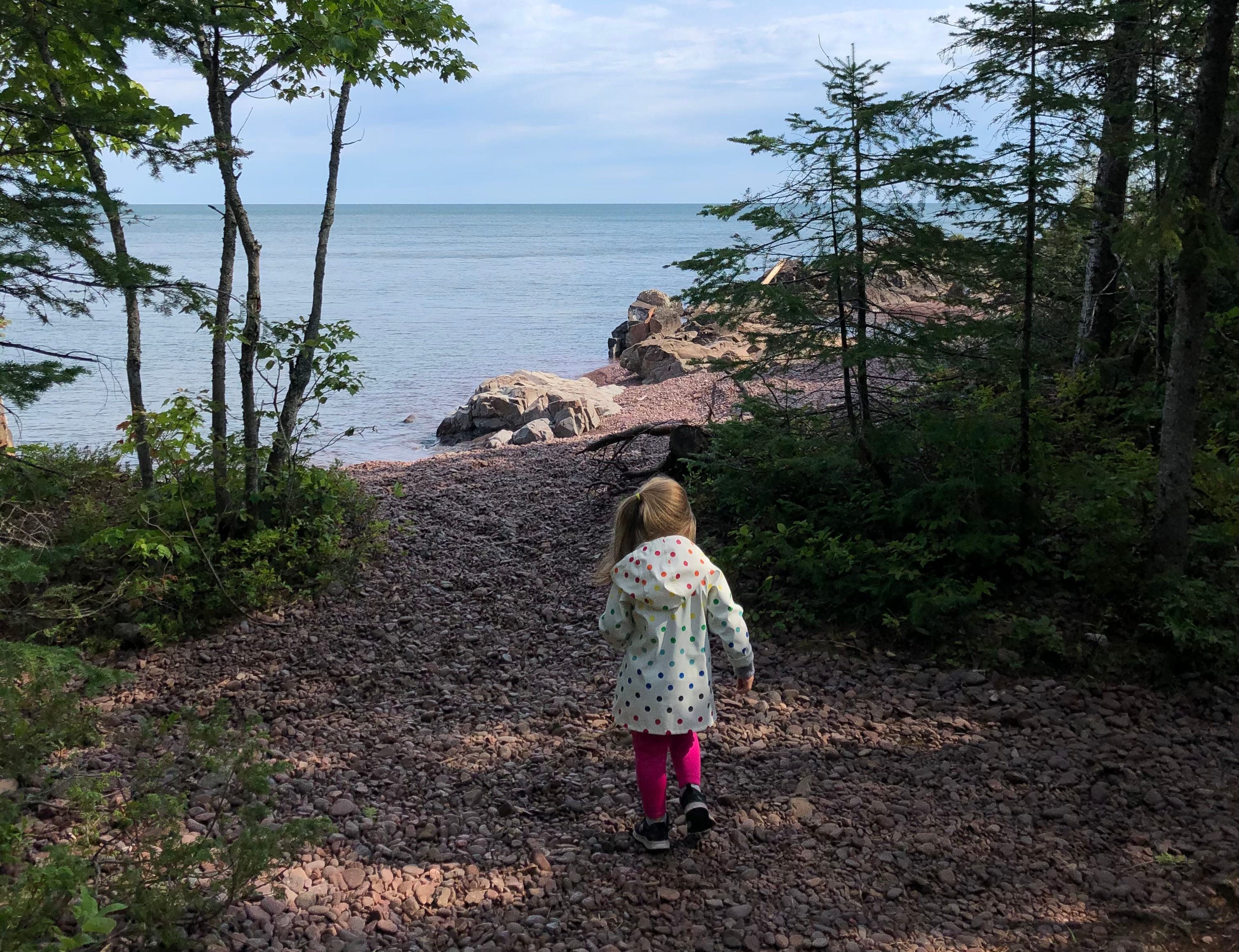
Attempting to force people to do what you want, even something as seemingly small as seeing the world from a different perspective (or going potty on the toilet), is almost always a frivolous endeavor. Instead, I believe people have to find it within themselves to act or to change.
This goes for everyone — from toddlers to teenagers to adults. We can provide people with all of the support and information we can, approach them with kindness and empathy or loathing and self-righteousness, hold their hand the whole way or push them away, but in the end, only they are capable of making the decision to act or change.
This is one of the beautiful things about being human — we have the free will to do and be what we want, even to others’ chagrin and in the face of potentially harsh societal or legal consequences. No one can control us, or us them. We cannot be cajoled by an employer or a government, a friend or an enemy, or even a demanding parent. We are our own master. Thus, the only change that is required is within ourselves.
Read about the impetus for our “I believe” series at the link below.
To be ... for or against? That is the question

“If you don't stand for something, you'll fall for anything.”
“Free will is not the liberty to do whatever one likes, but the power of doing whatever one sees ought to be done, even in the very face of otherwise overwhelming impulse.”
—George MacDonald

Our children are sometimes our most profound teachers !