

Carrot nor stick: How a novel, not-so-new approach is tackling substance abuse at its source
“A lot of these people might be in prison but for this program."

"In the middle of every difficulty lies opportunity."
—Albert Einstein
In 2024, an estimated 80,391 people died from drug overdoses in the U.S. — representing a 27% year-over-year (YOY) decline in overdose deaths. That same year, an estimated 90,000 people nationwide graduated from drug court, also known as treatment court.
Despite the reach and impact of these programs — with several studies showing reductions in recidivism rates for treatment court graduates — many people know little about them.
Comprehensive in nature, treatment court goes beyond the immediate, surface-level problem to address what is often a deep-seated, generational issue.
A specialized court docket program offering a structured, holistic and collaborative approach to tackling substance abuse and mental health disorders among justice-involved individuals, treatment court merges the judicial process with treatment services to promote recovery and reduce recidivism. As Judge Shannon Dougherty says, “We have to balance helping the individual with public safety.”
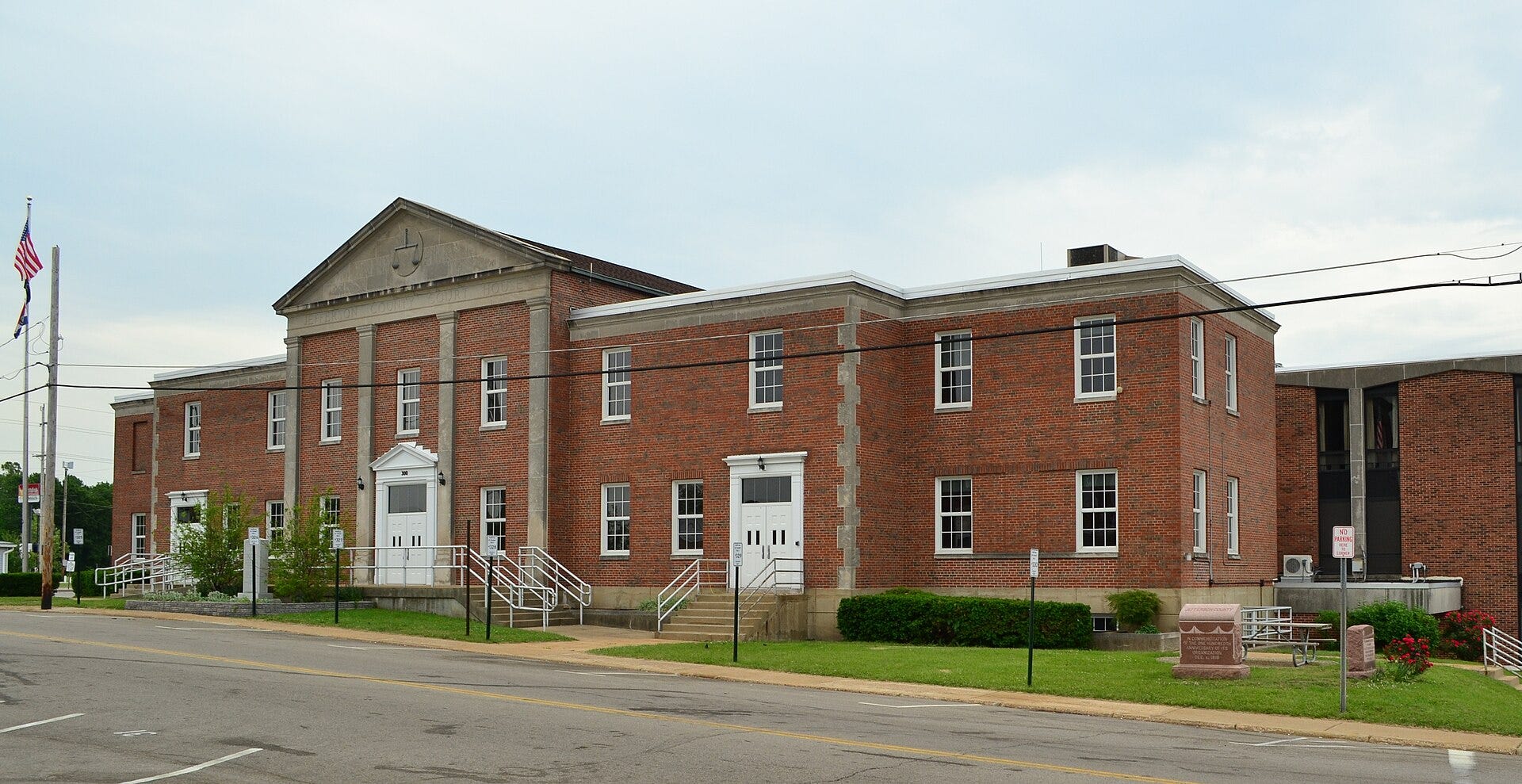
Dougherty oversees all the treatment courts in Jefferson County, Missouri — a combination rural-suburban, predominantly white county about 35 miles south of St. Louis. In 2024, more people were admitted to treatment court programs in Missouri than those who died from drug overdoses — 2,171 to 1,481, to be exact. That same year, 1,319 people graduated from the state’s treatment court programs.
While the reasons for the decline in U.S. overdose deaths are multifaceted — the decrease likely a combination of factors ranging from increased awareness to the wider availability of naloxone — treatment court no doubt plays a role. One study, conducted between 2000 and 2012, points to a possible correlation between the presence of a treatment court in a county and a decrease in overdose mortality. Specifically, counties with such programs experienced a reduction in overdose mortality of 2.924, after controlling for annual trends.
When it comes to recidivism, treatment court participants generally are 6-26% less likely to be re-arrested than individuals in traditional court settings. One study in particular showed a 28% reduction in felony re-arrest rates within a two-year period following the completion of a program, while a program in another county saw a 15% decrease.
Somewhere between 3,800 and 4,600 treatment courts currently exist nationwide, welcoming an estimated 150,000 participants annually. With an average national graduation rate somewhere in the range of 50-70%, these programs are helping participants do the hard work to overcome addiction and, as is the case with some individuals, manage mental health disorders.
“People who graduate from our programs have done hundreds of drug tests. That’s pretty awesome to say,” says Dougherty. “I want to educate people that it’s not easy for someone to graduate from our programs. It’s hard work for them to do that, so I hate when I hear people make comments like, ‘Oh, it’s easy,’ or, ‘There are no services to help people’ — because there are.”
A “big commitment”
Launched in the late 1980s in response to the crack cocaine epidemic, treatment court offers a twist on the traditional carrot-and-stick approach to criminal justice — one that offers a lifeline to individuals lacking an extensive criminal history.
“A lot of these people might be in prison but for this program,” Dougherty notes.
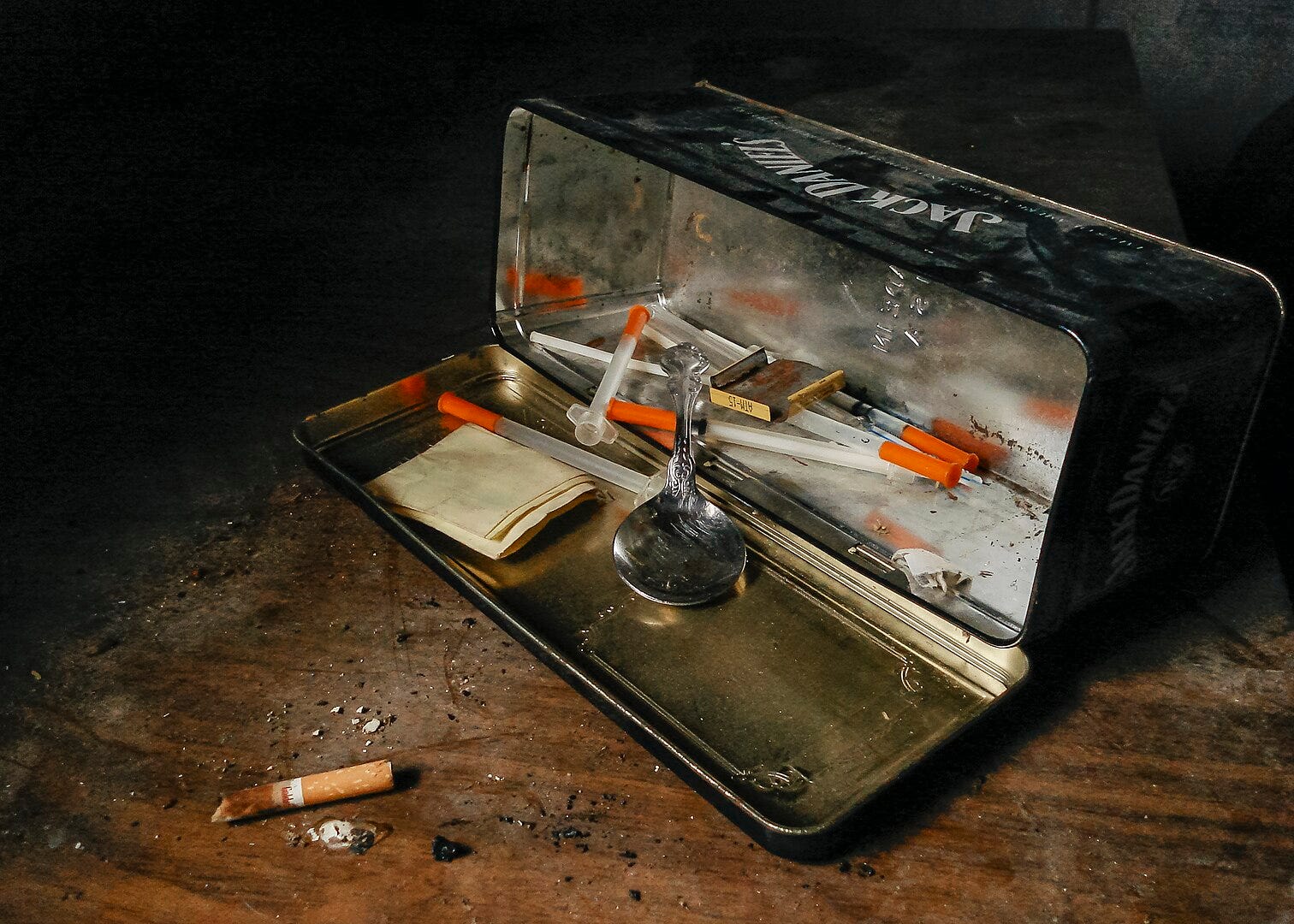
Divided into categories — Adult, DWI, Veteran, Family and Juvenile, depending on the state and county — treatment courts “provide judicially supervised substance abuse treatment and case management services to nonviolent, drug-involved offenders in lieu of criminal prosecution or incarceration,” one report states. Participation in each program, except Family, begins with a criminal case.
“Most of them involve some type of drug or driving while intoxicated charge,” says Dougherty. “We have, however, had some people who’ve had other types of criminal cases, but they’re related to their abuse of substances. We might have stealing, property damage or leaving the scene of an accident. However, they can’t have an extensive criminal history outside of substance use. For example, if someone was breaking into and stealing cars nonstop while on drugs, they probably wouldn’t qualify for a program. But if somebody had drug charges and stole a car or engaged in property damage once or twice, then we might consider them.”
In Dougherty’s treatment court, the way it works is when a case (i.e., a police report) comes in, it’s handed off to a prosecutor who decides whether or not to file charges. This person also makes a determination as to whether or not the defendant should be screened for treatment court. “This happens at the beginning of the case, before the person has pled guilty or been sentenced,” Dougherty explains.
However, there is one caveat: In Adult treatment court, a case could involve a deferred prosecution, meaning the prosecutor waits to file charges and, should the defendant successfully complete the program, never does. “It could be they’re on probation and they’re going to be revoked, and instead of going to prison, they could participate in our program,” says Dougherty. “But if they fail the program, they have to face the consequences with that criminal case.”
Should the prosecutor decide to hand the case off to Dougherty, she and her team — which includes the treatment court administrator, a probation and parole officer, two counselors, a defense attorney, a prosecuting attorney and, in the case of veterans, a VA representative — decide whether the person is a good candidate for treatment court. Beyond having reliable transportation, the defendant must be willing to adhere to all program requirements.
“We want to screen people because our program is not easy,” says Dougherty. “If somebody graduates from our treatment court, they have had to do a lot of things, and it requires a big commitment on their part.”
The “aha” moment
Every week in Dougherty’s courtroom, she hosts a drawing. Treatment court participants, if they’ve done everything they’re supposed to for the week prior, get to put their name in a hat for the chance to win a prize. “It’s nothing big,” Dougherty says, “just something to make them feel good about what they’ve done.”
For her, it’s about recognizing and celebrating even the small victories. “It’s not all about, ‘You’re in trouble,’” she says. “It’s about, ‘Hey, you’re doing great.’”
And with all that’s required of program participants, these minor achievements matter.
Every day, participants are required to call a drug testing line to find out if they need to go in to be drug tested. Once a week, they see their counselor, engage in self-help support group meetings and attend court. (The frequency of these meetings can decrease as the program progresses.) Dougherty also assigns a new topic each week that participants must journal about, with the first one being, “What has my use cost me?”
While all treatment court programs follow a standard operating procedure, they also account for the needs of each individual. Additional support in Dougherty’s programs can come in the form of a parenting class, anger management, inpatient treatment or something else entirely.
“If we see people struggling with certain things, we have different workbooks people can work on to go over with their counselor,” Dougherty says. “There are many layers to people beyond just using a drug. There are a lot of things that have happened in people’s lives that we don’t know about. So if we’re not able to treat something with our regular counselors, we help them get extra services.”
This is one reason why participants are given a planner at the start of the program to keep track of all their appointments and tasks. Those who fail to keep up or find themselves facing other violations risk being sanctioned or, worse, terminated from the program altogether. Sanctions could take the form of jail time, community service, an essay assignment or any number of things, depending on the offense.
“If somebody gets a speeding ticket, for instance, we know that for people who are justice involved and are struggling, traffic can be a big thing,” Dougherty explains. “They may keep getting these tickets and not pay them, and then it gets overwhelming and a warrant goes out for their arrest, so we take it seriously.”
“Sometimes we might have them review an accident, such as where you see a roadside memorial, and write a 400-word paper about speeding and its impact,” she adds. “Sometimes we’ll have people in the DWI program go to a victim impact panel as part of their probation to listen to someone who’s been impacted — maybe they lost a family member in a DWI crash — and write a 400-word paper reflecting on it. We try to think of things that will help the participant — we can get creative.”
If it seems like Dougherty and her team are tough on participants, it’s because they truly want them to succeed — as they get to know each person, it becomes personal. Dougherty expects accountability but also recognizes it’s a two-way street. This acknowledgement informs her holistic approach.
“Before court, as a team, we all sit and staff the cases that are going to appear for court. We discuss what’s going well, what isn’t going well, if there’s anything else we can do to help them or anything we’re missing,” says Dougherty. “We all play a slightly different role than we normally play in the real world. The prosecutor and probation officer are often rooting for the person and wanting them to succeed because they’ve gotten to know them.”
Once court’s in session, Dougherty calls participants up one by one to chat. “I try to spend a minimum of two to three minutes talking with each of them — about how they’re doing, if they feel like there’s anything else we could do to help them or, if they’re doing really well, I’m just like, ‘How are the kids doing?’ or ‘How is your job?’ It just depends on the person,” she says.
This personal touch is part and parcel to treatment court programs — and a component that Dougherty says is integral to participants’ success in them.
“My favorite part is when I can tell someone’s had the ‘aha’ moment — where they feel that ‘they’re for me, not against me’ — and you can see a whole change in their demeanor,” she says. “I love that because I know they’re not just putting on a show for me anymore, that they’ve really had a change in their soul.”
Helping “the whole person”
When it comes to success in Dougherty’s treatment court programs, there are no absolutes. It isn’t that a person graduates from the program. It isn’t even that they stop using drugs or alcohol. As Dougherty says, it’s that they “know how to help themselves.”
“We have a lot of people who reach back out, and they’re like, ‘Hey, I thought I could do this, but I’m not going to my meetings anymore. I thought, I’ll just have a few drinks,’ or whatever happened,” she says. “The treatment court administrator is able to quickly reconnect them with services — and that’s good. I think that’s a success when somebody slips up and they’re like, ‘OK, I caught myself. I want to get help.’”
For the individuals in these programs — many of whom grew up around substance abuse, Dougherty notes — to develop the ability to know how and to actually take the initiative to help themselves is significant. “For a lot of people in our program, it’s been generational and that’s how they were raised, so they didn’t have a role model,” she says. Because of this, much of what Dougherty and her team do involves life skills training. “We want to stop it there and not have another generation of children who are raised in that environment,” she notes.
Beyond learning time management as a byproduct of being in the program, participants also have the opportunity to learn financial and professional skills. Finance professionals have advised them on how to open a bank account, how to balance a checkbook and how to create a budget, while HR professionals have taught them how to create a resume and apply for jobs.
Other offerings have taken a broader view, with activities involving art and other hobbies with therapeutic benefits. A few years ago, Dougherty’s treatment court launched what it calls an alternative group, with sessions that include a photography class and a “Be Inspired” class in which participants color and talk, giving them “something tangible they can look at and reflect on,” Dougherty says, as well as helping them “get in touch with their feelings and express themselves.” She’s also been pushing for a regular cooking class — one that would focus on “how to shop for food … and make a healthy meal for yourself,” Dougherty says.
The program’s all-encompassing nature is not accidental, rather part of a strategic and concerted effort to address many of the factors that either contribute to or exacerbate participants’ substance abuse.
“We’re not just at the surface; we’re trying to help the whole person,” Dougherty says. “I think that’s really the formula for success, because if there’s something that’s really bothering you and we don't know about it and we’ve never addressed it, it’s still going to be bothering you when you graduate from the program, but then you won’t have all of us around to support you.”
Making “true change”
With all signs pointing to a decrease in substance abuse and overdose deaths — resulting in reduced recidivism rates and thus reductions in court, prison and healthcare costs, as well as foster care expenses — treatment court not only offers societal and personal benefits, but economic ones as well.
One analysis, conducted in 2025 and focused on Georgia treatment courts, revealed $168 million in cost savings for Georgia taxpayers — specifically, for every $1 that went to treatment courts, $6.60 was saved. That same report indicated an economic benefit of $45.9 million, or $25,921 per graduate of these programs.
More broadly, every $1 invested in treatment court yields an estimated $2-$4 in direct taxpayer savings, with a larger economic benefit sometimes reaching $27 per dollar spent, per one analysis. Additional data show that the ROI for these programs frequently hovers between 200-400%.
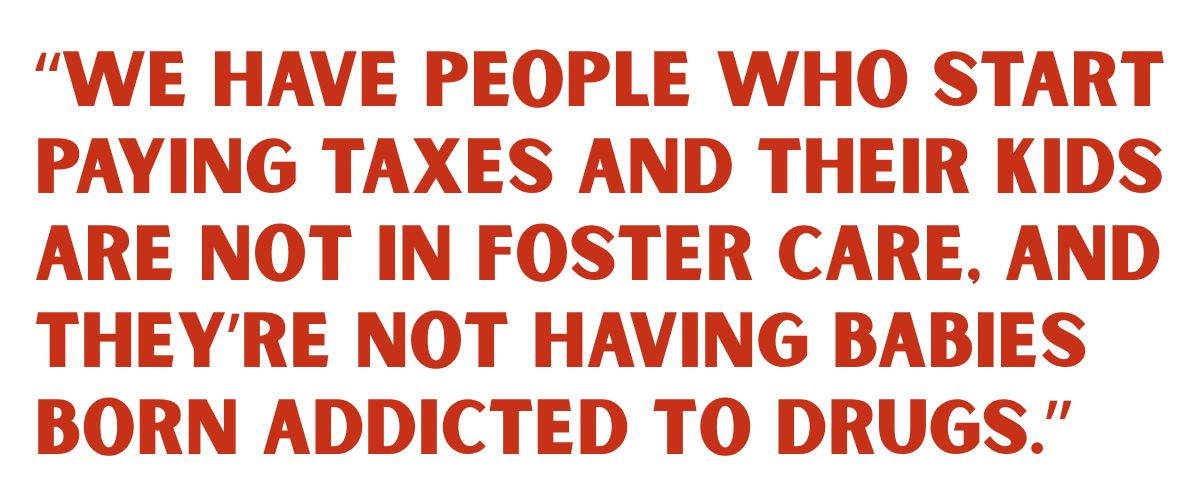
“We have people who start paying taxes and their kids are not in foster care, and they’re not having babies born addicted to drugs,” Dougherty says. “So you can look at it that way — the savings.”
But, for Dougherty — who’s seen firsthand the impact that substance abuse can have on people’s lives and families — these programs offer so much more.
“Sometimes people never had a chance growing up. Sometimes people just made a bad mistake and they really want to change their lives,” she says. “And I will tell you, there is no place you can go, without being in this program, where you’ll have a group of people around you who are all professionals and will tell you, ‘We are here to help you. You have to do the work, but we have these services for you.’ That is how you make true change — holding people accountable and being there for them as a safety net versus just saying, ‘Go see your counselor two times a month.’ Our goal is true change.”
The fruits of that labor are both tangible milestones and symbolic achievements. People who are successful in Dougherty’s programs put in the work to improve their lives — and credit scores — ultimately achieving the ability to do basic things such as buy their own car or home.
“It’s not about buying things or having things; it’s about what it represents,” Dougherty says. “They’re like, ‘I got a car. I can drive my kids safely to school and back or drive to see my mom and not have it break down.’ We’ve also had some people buy homes who never thought they’d be able to, so now they have a place for their child and significant other.”
“It’s about building that foundation,” she adds, “and I truly believe that if you’re getting up and working every day, and you have a family or you have the responsibility to pay your car or house payment, that’s going to be another layer that is going to encourage you to stay in recovery.”
The personal impact
The overarching impact of treatment court programs, though significant, isn’t as powerful as the individual stories of the people whose lives are touched by them. It’s those personal anecdotes that bring their full impact to life.
One man, a past graduate of the program, started an early-morning exercise and devotional for men, where they read the Bible and exercise. “I know these people are making a difference in this world,” Dougherty notes.
But perhaps the most striking example of treatment court’s influence is the difference between where participants started versus where they end up.
“In the beginning, a lot of people are only coming to us because they want to have a better outcome in their criminal case,” says Dougherty. “But then, there are a lot of people who are like, ‘I’m so glad I’m here. This is the best thing that’s ever happened to me.’ They’re going to meetings like Alcoholics Anonymous and Celebrate Recovery; they’re also chairing meetings, or they’ll end up acting as a sponsor to someone. So, they’re making a huge difference outside of these programs.”
“They’re not just there because of a criminal case any more,” Dougherty adds. “They’re really trying to change their life.”
“We are here to help each other get through this thing,
whatever it is.”
—Kurt Vonnegut, “A Man Without a Country”

Excellent article about an extremely worthwhile program!